Divine Mercy is ultimately an invitation into intimacy. Jesus does not simply forgive us; He draws us close. He wants us to know the Father as He knows the Father—to rest in that love, to trust it, to live from it.
Divine Mercy is never meant to stop with us. When we receive mercy, we become vessels of it, carrying compassion into our relationships, our communities, our world.
Divine Mercy reaches the parts of us we rarely show, old wounds, quiet fears, memories we carry alone. Jesus enters these places with tenderness, restoring dignity and softening shame.
God’s mercy does not simply patch us up; it re‑creates us. Divine Mercy brings us from non‑being into being, from despair into hope, from fear into freedom.
Psalm 86 opens with a cry from the depths: “Turn your ear, O Lord, and give answer, for I am poor and needy.” It’s the voice of someone who knows their place—not in power, but in dependence. And it’s precisely this posture that opens the floodgates of divine mercy.
Mercy is heartfelt sympathy for another’s distress, impelling us to support and assist if we can. As St. Thomas Aquinas says, “Mercy takes its name—misericordia—from denoting a person’s compassionate heart for another’s unhappiness.” Our beloved Pope Francis, laid to rest yesterday, was known for his merciful approach to leading the church.
Today we celebrate the Divine Mercy, the devotion to the merciful love of God and our desire to let that love and mercy flow our own heart towards those who need it. There is no denying that we are living in challenging times my friends. Living through the pandemic and all its challenges that have been exposed has been tough. From job loss, health crisis, identity crisis and watching the social injustice, it is easy to become hopeless and feel like there is nothing one person can do. But there is. Each and every one of us can say these five words which will profoundly impact our world:
Month Three: The Virtue of Prudence. Valuing God and finding love.
Today is Ash Wednesday, where we enter into the desert of our souls to align ourselves with our suffering Lord in anticipation of the Resurrection. As we turn to God, we find our highest calling. As we follow our Lord’s example, one of the simplest rules we are to follow is the hardest to live at times: do unto others as you would have them do unto you. I have many opportunities to practice this throughout my day when I meet people who want my attention, face people with different opinions or even drive on the freeway.
It is no secret that many people are struggling with the label Christian. In fact, the millennial generation is witnessing the rise of a group sociologists now call the “Nones”—people who proudly boast no religious affiliation. Young people are leaving Christianity and joining this group in droves. In the past decade alone, this group has grown 40%. All the while, the quest for spirituality and the practice of mindfulness to find inner peace is off the charts.






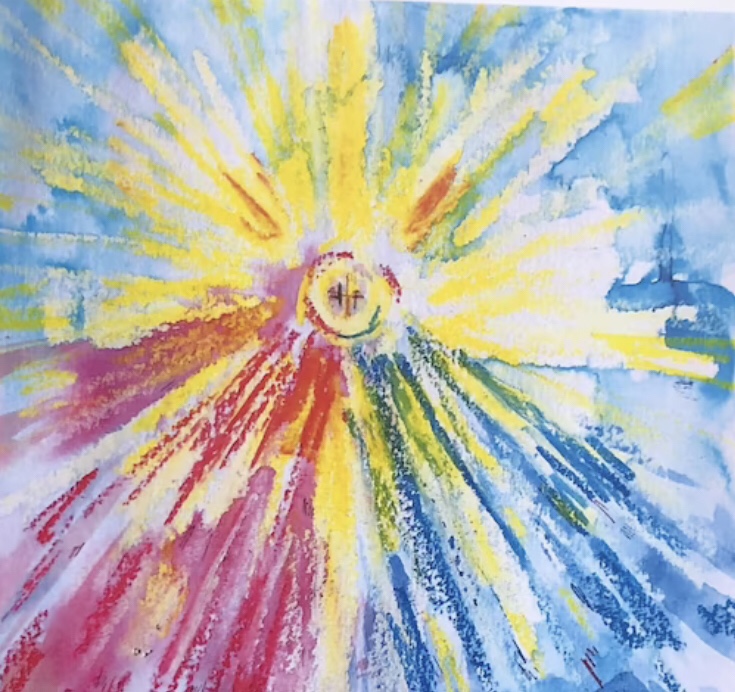


 Smitten With Goodness