
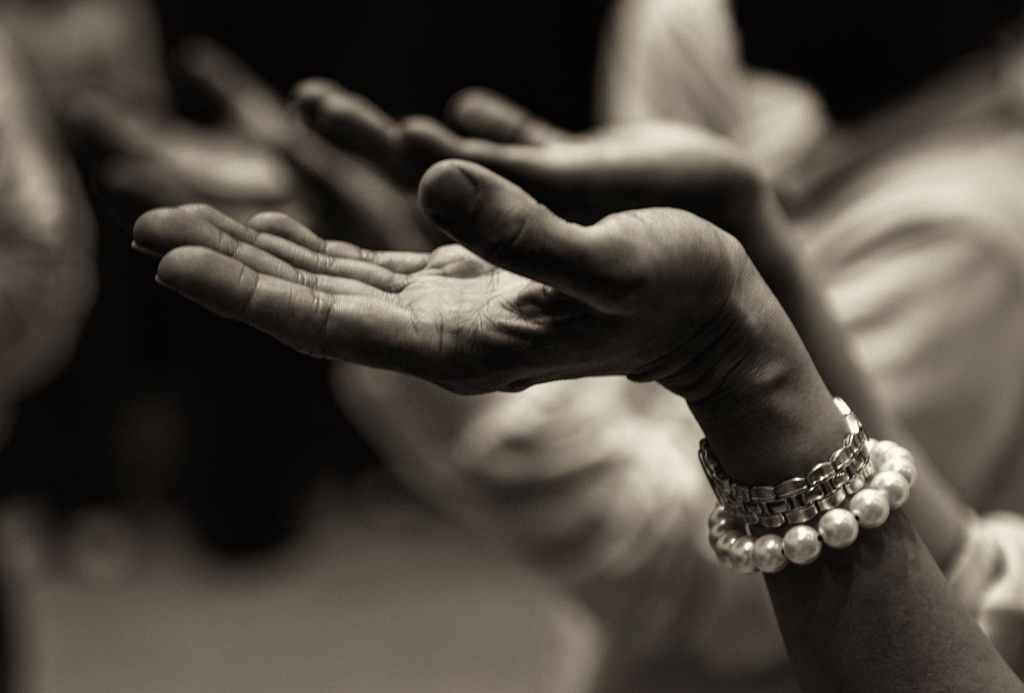
“Dilexit Nos” I’ve been reflecting on uses a beautiful phrase: “The Lord knows the fine science of the caress.” This is more than a poetic image; it’s a profound truth.
Continue reading “The Science of the Caress”
“Dilexit Nos” I’ve been reflecting on uses a beautiful phrase: “The Lord knows the fine science of the caress.” This is more than a poetic image; it’s a profound truth.
Continue reading “The Science of the Caress”
“Dilexit Nos” emphasizes that the heart of Christ is the “core of the initial preaching of the Gospel.” This isn’t just a devotion to a single organ, but to the entire person of Jesus. His heart is the “privileged sign” of His incarnate love—a living, breathing symbol of God’s love made real.
Continue reading “The Core of the Gospel”
“Dilexit Nos” reminds us that our communities can only be united and reconciled when we start from the heart. It echoes the Second Vatican Council, stating that “every one of us needs a change of heart.” I know this is true for me. The imbalances I see in the world are often a symptom of the imbalance in my own heart.
Continue reading “The Call to Change”
“Dilexit Nos” mentions the “Spiritual Exercises” of Saint Ignatius, which are rooted in “affection,” or heartfelt desire. This offers a beautiful image of the spiritual life—it’s not about dry intellectual concepts, but about the fire of the heart, the place where God’s desire and our own can meet.
Continue reading “The Fire of the Heart”
“Dilexit Nos” doesn’t shy away from hard truths, pointing to wars and power struggles as signs that our world is “losing its heart.” It paints a heartbreaking picture of a world that is not moved by the suffering of others.
Continue reading “A World That Has Grown Heartless”
“Dilexit Nos” reminds me of a profound truth: the deepest part of my being was made to “love and to be loved.” Our greatest fulfillment is found in this love, both in giving it and receiving it. When I live from a place of love, I begin to understand the true purpose of my existence.
Continue reading “The Heart’s Role in Our Fulfillment”
“Dilexit Nos” offers a beautiful example in the Virgin Mary, who “pondered” things in her heart. She held onto what she didn’t yet understand, patiently waiting for everything to be “put together” in her heart. This image has been incredibly helpful for me.
Continue reading “The Heart as a Unifying Principle”
I love the idea that if we devalue the heart, we “miss out on poetry.” “Dilexit Nos” says we lose the ability to speak from the heart, to act with the heart, and to cultivate it. This is a beautiful way of saying that a heartless life is a colorless one.
Continue reading “The Heart and Poetry”
“I am my heart.” This simple phrase from the encyclical has become a profound guide for me. It explains that our heart is what gives us our spiritual identity. While algorithms can predict our thoughts, they can’t predict our heart.
Continue reading “Your Heart, Your Identity”
“Dilexit Nos” proposes a beautiful idea: that all of our actions should be placed under the “political rule of the heart.” This isn’t just a metaphor; it suggests that our heart, which “senses and savors truths,” should be the ultimate authority in our lives.
Continue reading “The Political Rule of the Heart”