
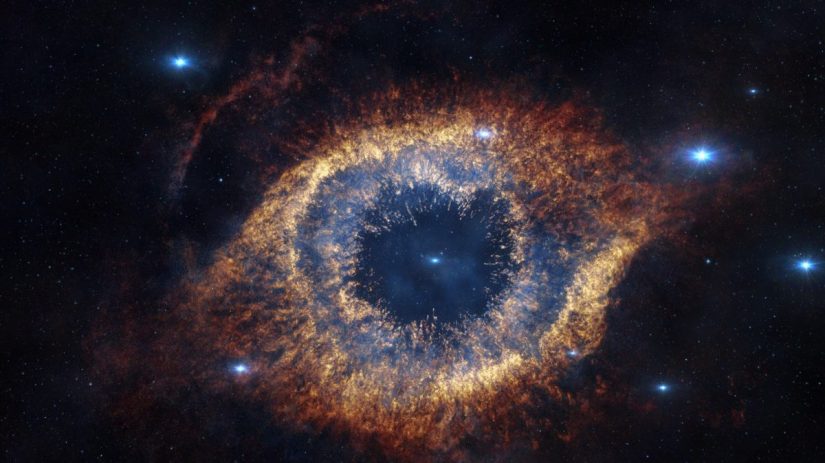
In Catholic spirituality, nondual thinking doesn’t discard clarity—it transcends rigid either-or categories and opens us to the sacred mystery pulsing through all things. It’s not vague or mystical fluff; it’s a deeper wisdom that unites heart and intellect, intuition and reason. Jesus lived this way of seeing, and Scripture continually nudges us toward it. Nonduality invites us to follow that inner ache for more—more truth, more presence, more God.
Jesus didn’t preach nonduality; he embodied it. He held divine paradox in every breath: fully God, fully human. Strength woven with vulnerability. Justice saturated in mercy. His teachings disrupted black-and-white thinking, challenging us to love our enemies, forgive without limit, and recognize God in those we’d least expect.
Thinkers like Richard Rohr remind us that dualistic clarity isn’t bad—it’s often the foundation. Naming injustice, taking moral stands, and discerning wisely come first. But from there, we’re invited into holistic compassion—where mind, body, soul, and heart move together.
Scripture whispers of this deeper seeing:
“If I ascend to heaven, you are there; if I make my bed in Sheol, you are there.” — Psalm 139:8
Even in places deemed “wrong” or “dark,” God remains present. Everywhere is holy ground. Catholic mystics like Meister Eckhart and Thomas Merton walked this contemplative path—not to escape the world, but to sink into the divine pulse beneath it. Through silence, surrender, and prayer, they glimpsed a reality beyond ego and judgment, where separation gives way to union.
Nondual thinking isn’t a departure from tradition—it’s a deeper immersion into it. It invites us to live the gospel with nuance and wonder, holding contradiction not as confusion but as holy tension. When we see with the “single eye” (Luke 11:34), we move beyond labels and into love, where truth isn’t always tidy—but it is always divine.

 Smitten With Goodness