The Heart of Jesus is not a reservoir that can be depleted; it is a fountain that never stops flowing. Divine Mercy is not a one‑time gift but an endless stream always fresh, always available, always enough.
The Gospel tells us that after Jesus appeared to Mary Magdalene, “she went and told his companions who were mourning and weeping.” But instead of believing her, “they did not believe.” Their grief had hardened into unbelief, their sorrow into a kind of spiritual paralysis. And when Jesus finally appears to them, He “rebukes them for their unbelief and hardness of heart.”
After all they had seen, the apostles return to what is familiar. “I am going fishing,” Peter says. Perhaps they are still unsure, still carrying remnants of doubt about whether Jesus has truly conquered death. Perhaps they simply do not know what resurrection means for their lives. So they go back to the boats, back to the nets, back to the work they once knew.
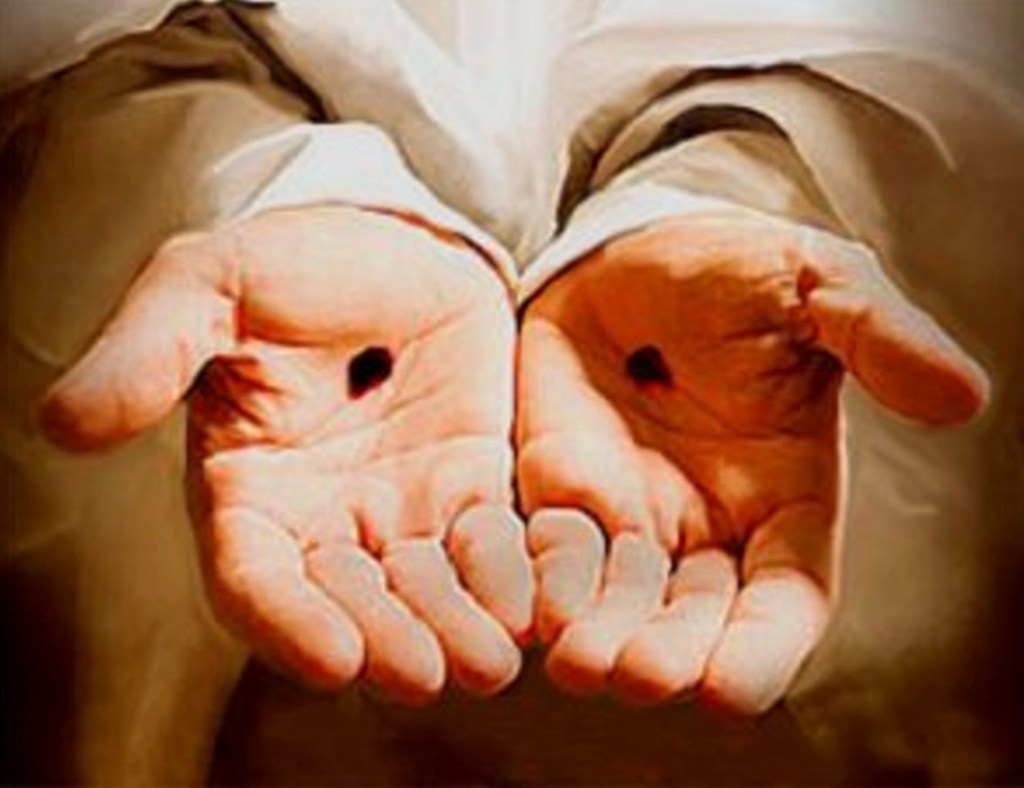
When the risen Jesus appears to His disciples, their first reaction is not joy but fear. They are “startled,” “terrified,” and “troubled”—caught between hope and disbelief, unsure whether what they are seeing is real. And into this swirl of emotion, Jesus offers not an argument, not a rebuke, but His humanity.
The disciples on the road to Emmaus are exhausted by disappointment. Their faces are “downcast,” their hope worn thin. “We were hoping that he would be the one,” they confess—a sentence that carries the weight of every unmet expectation, every prayer that seemed unanswered, every dream that felt like it slipped through their fingers.
Easter does not end in a single morning; it unfolds across days, encounters, and awakenings. On this first Monday of the Octave, we meet Peter—no longer the man crushed by his failure, but one transformed by the mercy of the risen Christ. When he speaks to the people, he does not rely on opinions or speculation. He points to what they can “both see and hear”—the undeniable work of God in their midst, including the renewed life beating within his own chest.
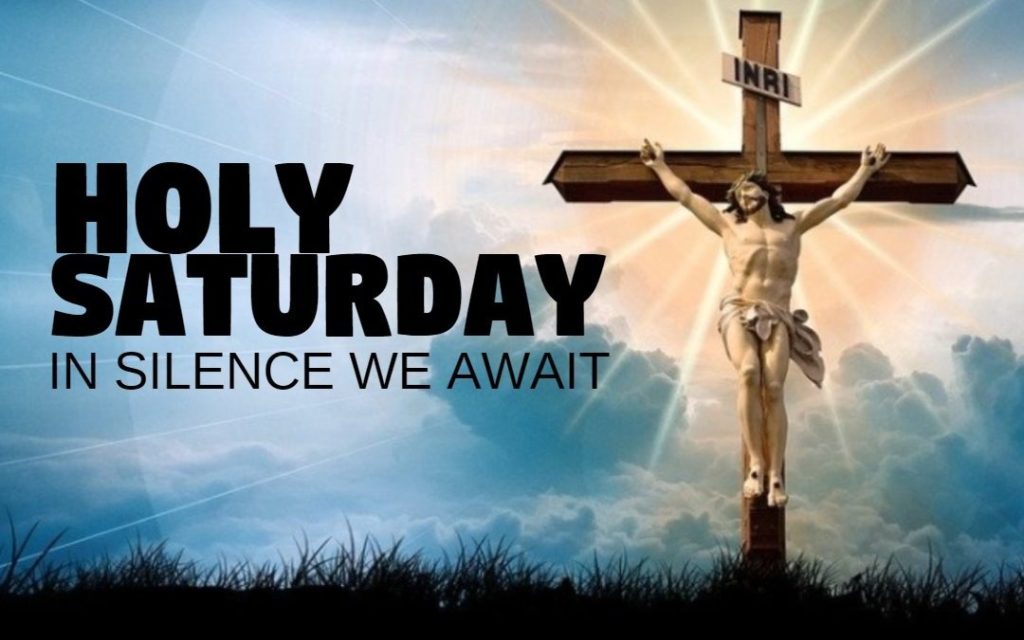
Holy Saturday is a day of silence and waiting, culminating in the Easter Vigil at night. It is the quiet, aching space between loss and resurrection. It is the day when nothing seems to be happening, yet everything is being transformed beneath the surface.
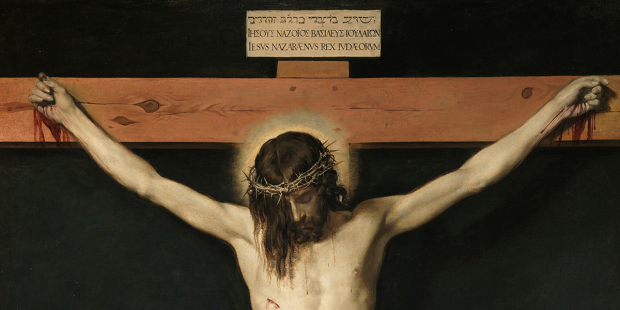
Good Friday is a solemn day of fasting and abstinence, commemorating the Passion and crucifixion of Jesus. It brings us to the foot of the cross, where suffering and love meet.
A Journey of Presence, Tenderness, and Transformation
The “three days” at the heart of Holy Week
The Paschal Triduum is the sacred center of our Christian year—a single, continuous liturgy unfolding over three days. It carries us from the tenderness of the table, through the suffering of the cross, into the silence of the tomb, and finally into the light of resurrection. These days invite us not just to remember but to enter the mystery of God’s love poured out for the world.
A Journey of Presence, Tenderness, and Transformation
Holy Wednesday is sometimes called Spy Wednesday, marking the moment Judas quietly agreed to hand Jesus over. It is a painful story, not because it is distant from us, but because it is close. Judas’ betrayal did not begin with a single act—it began with a slow turning inward, a narrowing of vision, a quiet choosing of self‑protection over relationship.