
Being Loved

Radiant Resistance: Living the Beatitudes from the Ground of Our Falling

The Beatitudes are often read as virtues to aspire to—poverty of spirit, mercy, peacemaking, purity of heart. But what if they are not goals, but descriptions of a soul already undone? What if they name the places where we’ve fallen, surrendered, and suffered—and declare those places holy?

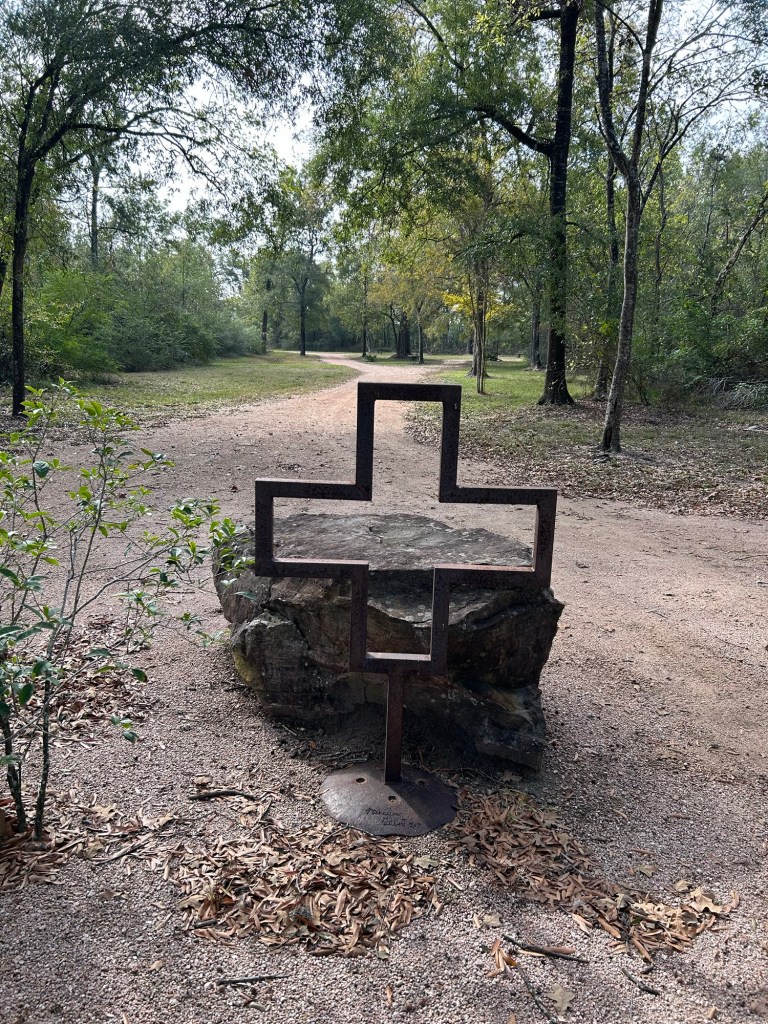
Like a beautiful leaf that has fallen from its tree and to the ground, it remains a leaf. To live the Beatitudes is to resist the world’s brokenness not with power, but with presence. It is to say: I will not harden. I will not numb. I will not become what wounded me.


🕊️ Poverty of Spirit
This is not self-rejection. It is the quiet refusal to build identity on ego, success, or control. It is the posture of open hands, saying, I have nothing to prove. I am already held. In a world obsessed with achievement, poverty of spirit is a radical trust in grace.

“Blessed are the poor in spirit, for theirs is the kingdom of heaven.”


💧 Mercy
Mercy is not weakness. It is the strength to see suffering and not turn away. It is the courage to forgive when vengeance would be easier. Mercy resists the world’s cruelty by choosing tenderness over retaliation.

“Blessed are the merciful, for they shall obtain mercy.”


🌿 Peacemaking
Peacemaking is not passive. It is the active work of healing what has been torn. It is the refusal to let division have the final word. In a world of polarization, peacemaking is a quiet revolution—one that begins in the heart and ripples outward.

“Blessed are the peacemakers, for they shall be called children of God.”


🌙 Purity of Heart
Purity is not perfection. It is clarity. It is the stripping away of pretense, the return to what is true. In a world of distraction and performance, purity of heart is a luminous resistance—a way of seeing God in all things, and especially in the broken.

“Blessed are the pure in heart, for they shall see God.”


To live the Beatitudes is to let our suffering become soil.
To let our surrender become sanctuary.
To let our falling become the very ground from which healing and wholeness rise.

This is not moralism.
It is mysticism.
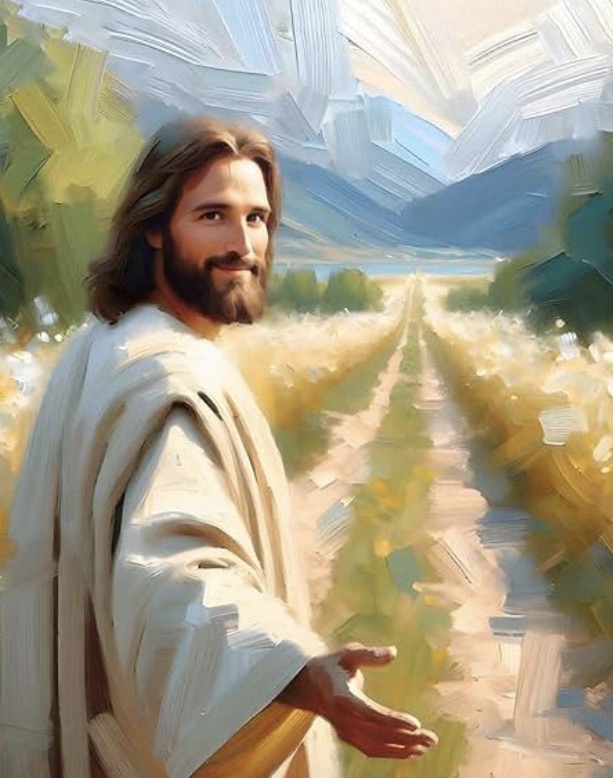
It is the way of Christ—who did not climb upward, but descended into love.

Being Loved

A Personal Examen

Many Christians ask: Why not just confess directly to God? After all, He sees the heart and hears every prayer. And yes—Catholics absolutely believe that God can forgive sins through sincere personal repentance. But the Church also teaches that Jesus instituted a sacramental way of receiving that forgiveness: through Confession.

Continue reading “A Personal Examen”
Being Loved

A Call to Reform

When Jesus confronts the Pharisees, his words are not gentle suggestions, they are a piercing summons to transformation. “Reform your life,” he commands, not only to them but to us. This is not surface-level adjustment; it is a radical re-centering, changing the direction of our normal path.

Continue reading “A Call to Reform”
Being Loved

The Ache of Unreceived Grace

There is a sorrow in Christ’s Heart that few dare to name.

Not the sorrow of the Cross alone, but the quiet, ongoing ache of being ignored by the very souls He died to save. “They have time for everything,” He told St. Faustina, “but they have no time to come to Me for graces.” This is not a complaint—it is a lament. A love wounded by indifference.

Continue reading “The Ache of Unreceived Grace”