
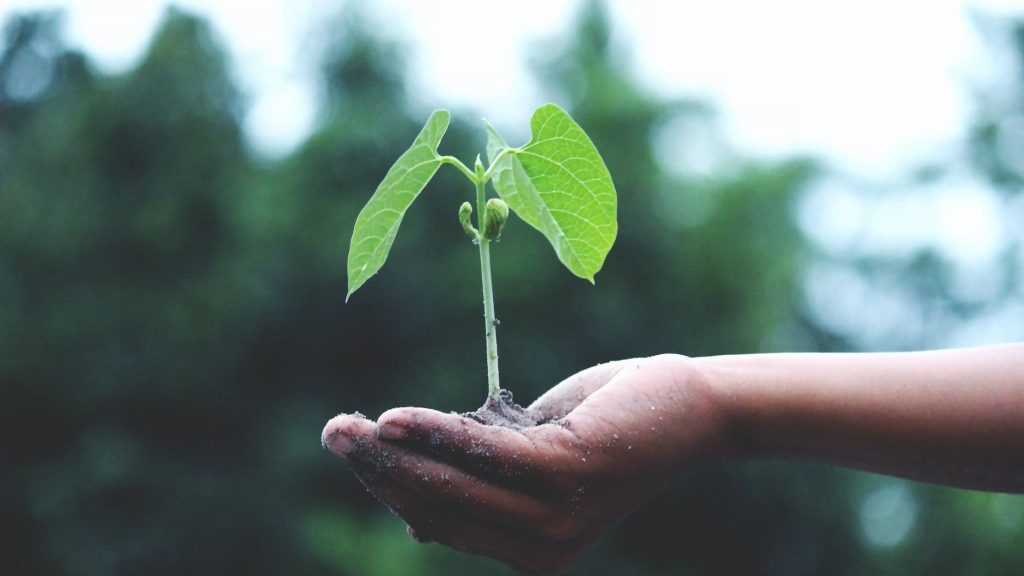
There is a truth so tender and so bold that Peter can only name it with the language of new birth: You have been born anew… from imperishable seed.
This seed is not a metaphor for virtue or moral effort. It is the very image of God placed within us from the beginning—our deepest Self, our truest identity, the place where God’s life and our life meet.
This seed is untouched by the world’s anxieties, uncorrupted by our failures, unthreatened by time. It is the part of us that cannot be bought with silver or gold, because it already belongs to God. It is the part of us Christ came to reveal, redeem, and awaken.
When Peter contrasts the imperishable seed with “futile conduct handed on by your ancestors,” he is naming a spiritual truth we still feel today: we inherit patterns that shrink us, fears that bind us, stories that tell us we are less than who God created us to be.
But none of these have the final word.
The final word is the Word planted in us, the living presence of God that abides.
To live from this imperishable seed is to remember that beneath every layer of striving, beneath every wound, beneath every false self we’ve learned to wear, there is a radiant center that remains whole. It is the Christ-life within us. It is the Self that knows how to love.
This is why Peter moves so naturally from identity to action: “Love one another intensely from a pure heart.” When we live from the imperishable seed, love is not a command—it is a consequence. It rises from within like sap in spring, like light through a window, like a truth we always knew but had forgotten.
“All flesh is like grass,” he reminds us.
Our accomplishments, our anxieties, our reputations—they wither. But the seed God planted in us does not. It grows quietly, steadily, eternally.
Today’s invitation is simple: to return to that inner place where God’s image shines, to trust the seed that cannot perish, and to let our lives unfold from the love already growing there.


