We often pray for God to take away our problems—remove the obstacles, fix the marriage, change the circumstances. But what if the problem isn’t the problem? What if God isn’t changing your situation because He’s trying to change you?
During a recent conversation, a friend shared something tender and transformative: that in prayer, God had revealed to her that she is a Daughter of Grace. The phrase lingered in my heart, stirring reflection. What does it mean to live as a Daughter of Grace?
Today’s Gospel from Luke 18:9–14 pierces through the illusion of self-righteousness and invites us into the quiet truth of humility. Two men enter the temple to pray. One stands tall, listing his spiritual résumé. The other stands back, eyes lowered, heart exposed. Only one leaves justified—and it’s not the one who boasted.
Ronald Rolheiser writes, “What God asks is simply that we come home, that we share our lives with him, that we let him help us in those ways in which we are powerless to help ourselves.” It’s a gentle invitation—not to perfection, but to presence.
There are mornings when silence feels like sanctuary. Before the news, before the heartbreak, before the world becomes all fire and brimstone. I sink into the quiet Center, and I wonder—is this salvation?
“From the four winds come, O breath, and breathe upon these slain, that they may live.” — Ezekiel 37:9
There is a place in scripture where the prophets cry out to the four winds—north, south, east, and west—summoning breath, life, and judgment to the whole earth. It is a call not confined to one nation or people, but a divine summons that stretches across creation. The four winds symbolize the totality of God’s reach: His message is not local, but universal. His Spirit moves across every border, every language, every soul.
Today, we honor St. John Paul II – poet, philosopher, pilgrim, prophet and Pope – whose voice once rang out across the iron grip of Communist Poland with a message that could not be silenced: God is real, and human dignity is sacred.
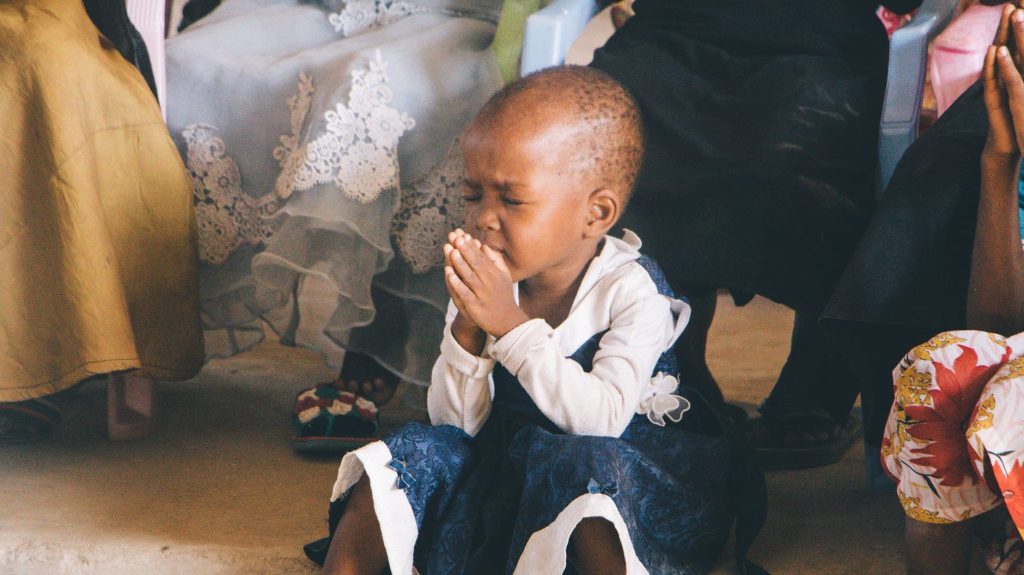
Yesterday’s Gospel (Luke 18:1–8) is sticking with me. It’s tells the story of a persistent widow who refuses to give up. She pleads with a judge for justice, again and again, until he relents—not because he is just, but because she will not stop asking. Jesus shares this parable so that we “ought always to pray and not lose heart.”
Saint Teresa longed to climb a mountain and cry out to the world: “Pray, pray, pray.” Her urgency echoes Christ’s own command: “We ought always to pray and not to faint” (Luke 18:1). Prayer is not merely a spiritual discipline—it is the lifeline of grace, the breath of the soul, the key to the treasury of heaven.










 Smitten With Goodness